
 Modafinil and Sleep: Impact on Rest
buy vidalista no prescription
How Modafinil Changes Sleep-wake Cycles
Modafinil can nudge the body’s natural sleep-wake rhythm toward longer alert periods, making mornings feel sharper and late-day drowsiness less noticable. In many users, that boost comes with a delayed “sleep pressure,” so the brain stays active when it would normally slow down.
Because of that shift, bedtime may feel easier to postpone, and light sleep can become fragmented. The effect is often strongest when the dose is taken late, or when the day already includes stress, caffeine, or irregular sleep.
| Alertness rises | Sleep drive drops |
| Longer wakefulness | Possible bedtime delay |
Used with care, the change can feel helpful by day, but it may quietly reshape the night.
Benefits of Alertness Versus Rest Disruption
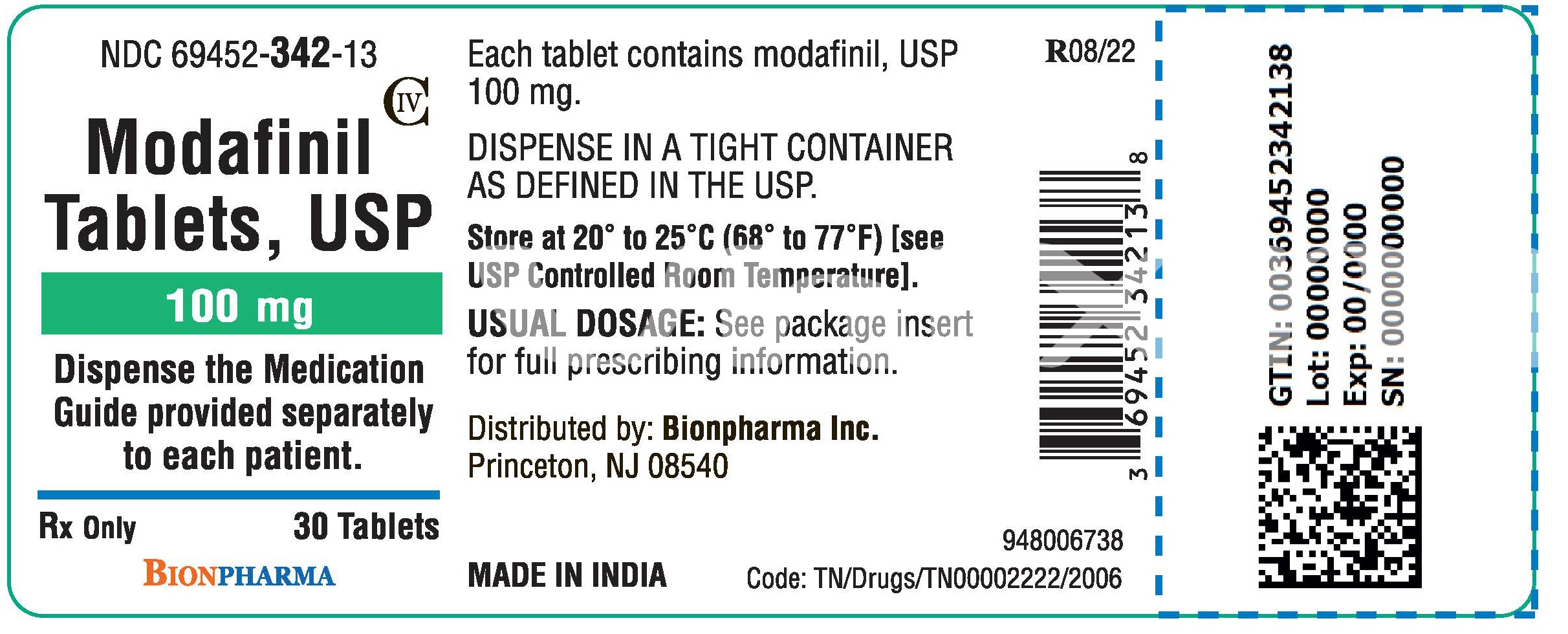
Modafinil can feel like a sharp spotlight switched on in a dim room: focus returns, fatigue fades, and work often becomes more manageable. For people who struggle with excessive daytime sleepiness, that alertness can improve productivity, safety, and mood. Yet the same lift that helps during the day may also leave the brain less ready to wind down at night, creating a tug-of-war between performance and rest.
When modafinil is well timed, the benefits can outweigh the downside. It may help users stay present in meetings, complete demanding tasks, and reduce unplanned naps that fragment the day. Still, if it lingers too long, sleep pressure drops and bedtime feels delayed. That is where balance matters, because a clearer mind by noon can come at the cost of lighter, shorter sleep later.
The goal is not to chase constant wakefulness, but to use alertness with intention. Some people find the trade-off worth it for a few focused hours, while others notice restlessness or trouble falling asleep. Watching how your body responds is essential, because the best outcome is a day that is productive without turning the night into a battle with the pillow.
Timing Modafinil to Protect Nighttime Sleep
Taking modafinil early in the day can help preserve your night sleep. A morning dose gives the brain enough time to process the stimulant before bedtime, reducing the risk of lying awake with a racing mind. Many people find that a steady routine, rather than occasional late dosing, makes sleep more predictable and restful. Even small schedule shifts can matter, so it helps to watch how your body reacts over a few days.
If an afternoon dose is needed, keep it as early as possible and avoid stacking it with caffeine. Teh goal is to protect the natural drop in alertness that should arrive after sunset. By planning ahead, you can stay focused during work hours without sacrificing the calm, sleepy feeling that makes bedtime easier.
Common Sleep Side Effects and Warning Signs

Modafinil can quietly shift the body’s rhythm, making it easier to stay awake when rest should be taking over. Some people notice lighter sleep, longer time to fall asleep, or a restless feeling that lingers into the night. These effects may seem small at first, but over time they can build into fatigue, mood changes, and a foggy morning after a short night.
Warning signs often appear in the begining as frequent waking, vivid dreams, or trouble unwinding even after a calm day. If sleep starts feeling shallow, or if daytime energy depends on ever-higher doses, that’s a signal to pause and pay attention. Teh pattern matters: modafinil may be helping alertness while quietly borrowing from recovery.
Recovery Strategies for Better Sleep Quality
After a late dose of modafinil, the body may feel alert long after the day is over, so recovery starts with a calm evening routine. Dim lights, step away from screens, and keep caffeine and heavy meals out of the evening. A short walk, gentle stretching, or slow breathing can help signal that it is time to rest. If sleep was reduced the night before, avoid napping too long, because it can make the next night harder to settle.
Consistency matters too. Go to bed and wake up at the same time, even on weekends, to steady the sleep rhythm. Teh bedroom should stay cool, dark, and quiet, with the bed reserved for sleep whenever possible. If modafinil leaves you wired, write down your thoughts before bed, then try a brief relaxation audio or meditation. Small habits like these can improve sleep quality without fighting the medication’s daytime benefits.
| Best habits | Why they help |
| Regular bedtime | Trains the body clock |
| Low light at night | Supports melatonin release |
| Relaxation routine | Reduces mental arousal |
When to Seek Help for Persistent Insomnia
If sleepless nights keep following daytime modafinil use, it may be time to talk with a clinician. Persistent insomnia can feel like a quiet tug-of-war: the mind stays sharp while the body grows worn down. A doctor can help sort out dosage, timing, and other causes. Teh goal is not just staying awake, but protecting health, mood, and recovery. NCBI EMA
Warning signs include trouble falling asleep for many nights, waking unrefreshed, or needing more and more caffeine to function. If insomnia begins affecting work, relationships, or safety, don’t wait it out. Ongoing sleep loss can amplify anxiety and make even simple tasks feel harder than they should. PubMed PMC
Seek help sooner if you notice chest palpitations, severe anxiety, mood changes, or no improvement after adjusting sleep habits. In some cases, the right answer is a medication review, not more self-management. A timely conversation can restore balance before poor sleep becomes a longer struggle.
buy zocor no prescription buy rybelsus no prescription